
Technical Blog
-

From “Tool” to “Ecological Hub”: How DBiM’s AI Agent Defines the New Infrastructure of the Metaverse
In the metaverse development race, mere technology accumulation and scenario replication are no longer core competitive advantages. While the industry debates the priority of “immersive experience” versus “commercial value”, DBiM has taken a different path—upgrading AI Agent from a simple service tool to the core hub of the metaverse’s underlying…
-
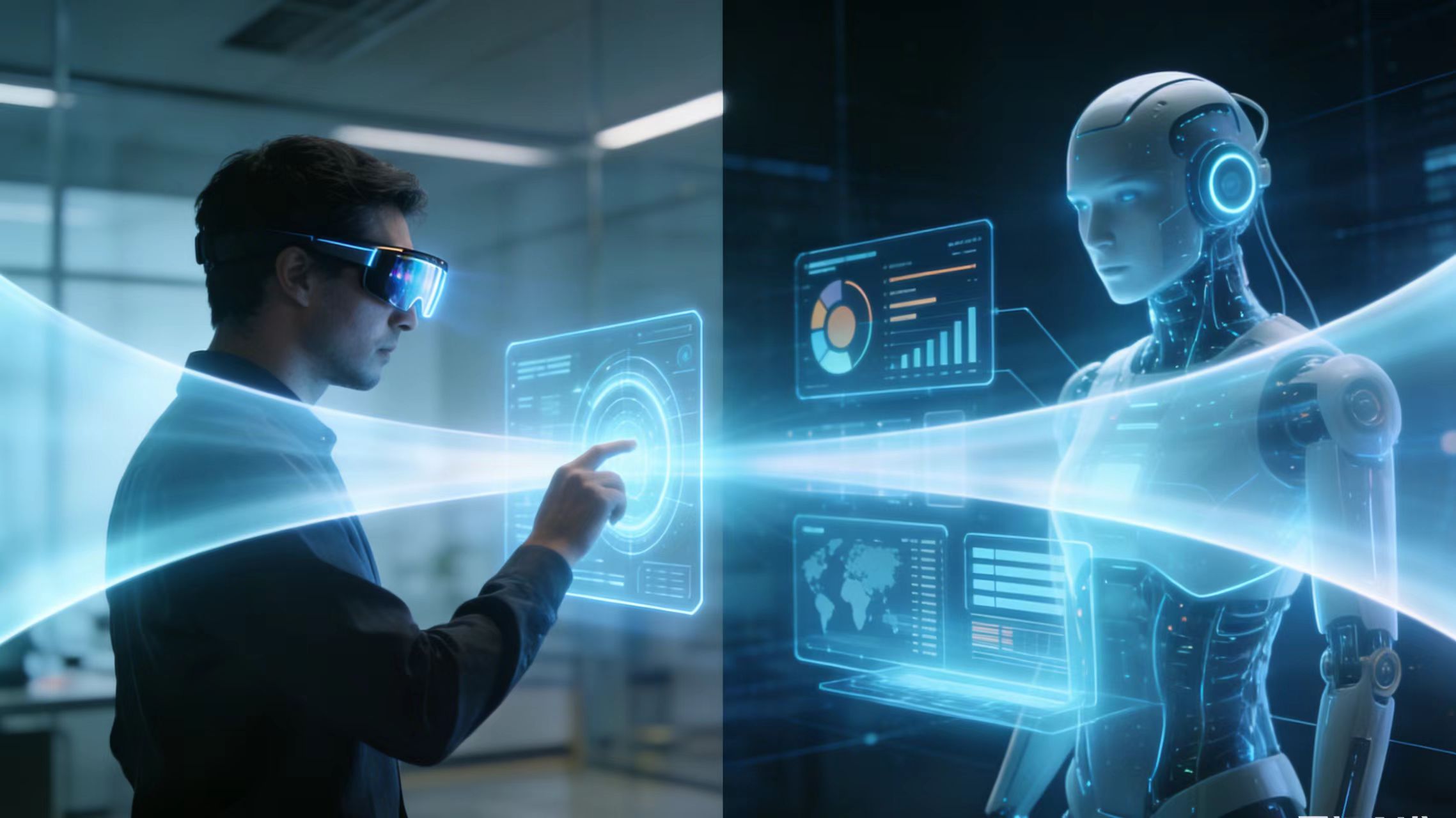
AI Agent-Powered Metaverse: The Dawn of a New Era in Autonomous Collaborative Economy
In today’s era of rapid digital technology iteration, the metaverse once ignited people’s imagination for the future digital world with its grand vision of integrating the virtual and the real. However, practical predicaments such as low user engagement, fragmented economic cycles, and lack of trust mechanisms have long trapped it…
-
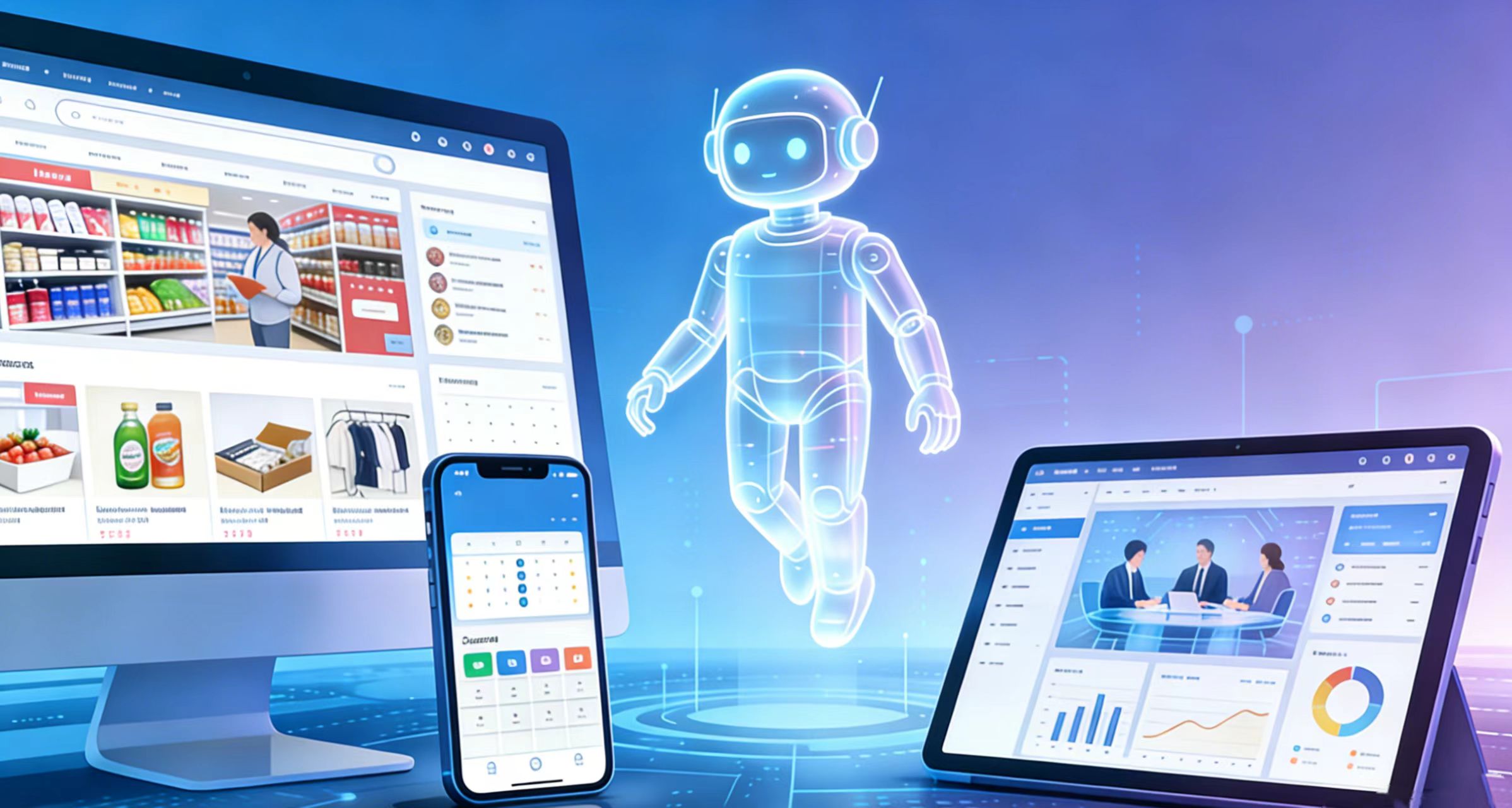
DBiM: Building a New Ecosystem of Metaverse Autonomous Collaboration with AI Agent at Its Core
At the critical stage where the metaverse transitions from concept to industrial implementation, addressing industry pain points such as technological fragmentation, inefficient economic cycles, and fragmented user experiences has become a core proposition determining the track pattern. DBiM deeply cultivates the integration of metaverse and AI Agent technologies, taking the…
-

AI Agent + Metaverse: Unlocking a New Paradigm for the Digital Economy
Amid the wave of digital technology iteration, the metaverse is gradually moving beyond conceptual hype towards practical implementation. However, it still faces practical challenges such as fragmented user experiences, inefficient resource allocation, and insufficient ecological collaboration. The rise of AI Agent, with its core capabilities of autonomous decision-making and intelligent…
-
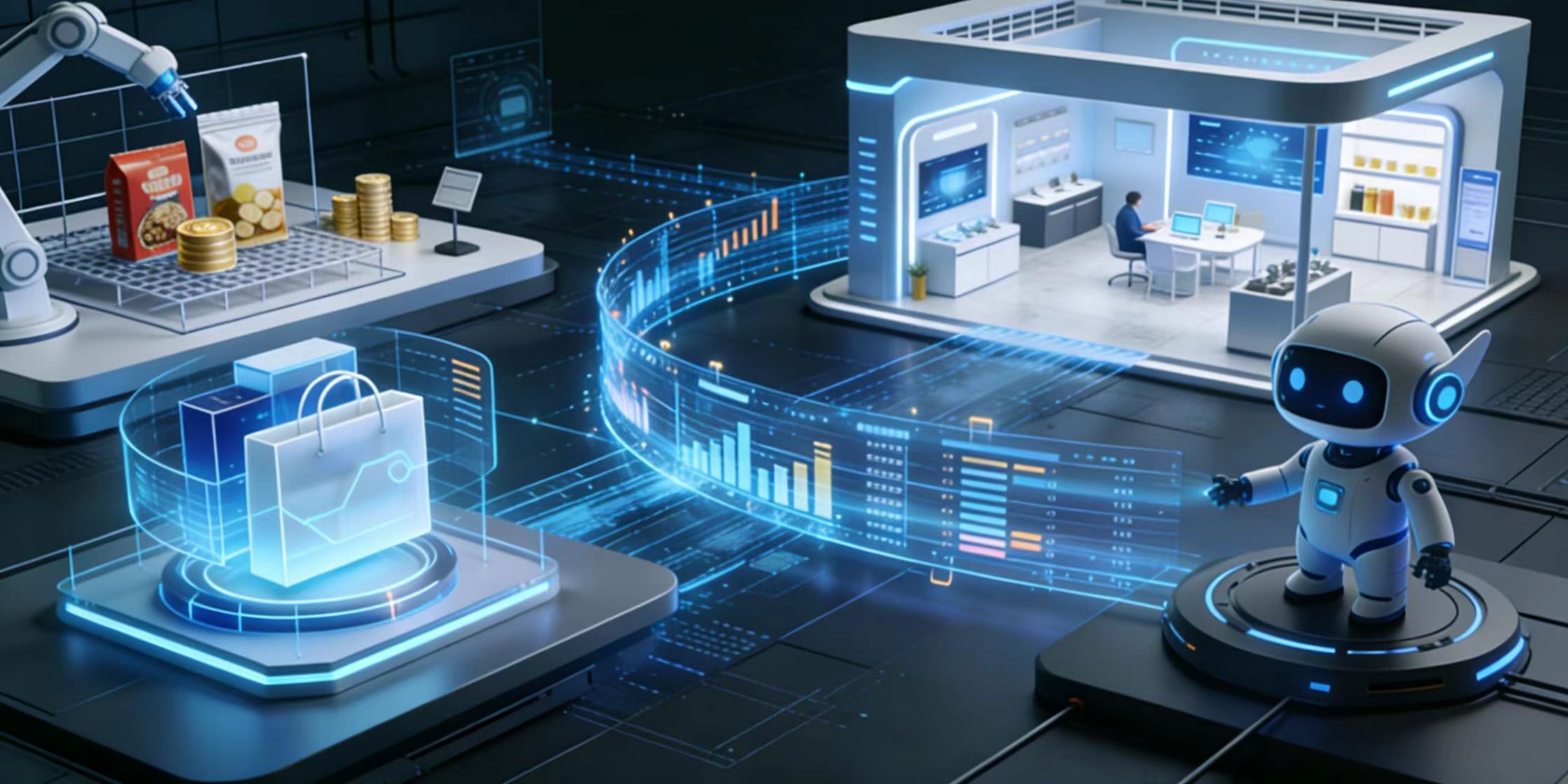
AI Agent-Powered Metaverse: A New Era of Autonomous Collaborative Economy
As the metaverse transitions from a conceptual boom to practical implementation, pain points such as low user engagement, fragmented economic cycles, and lack of trust mechanisms have become increasingly prominent. The “Autonomous Agent-Driven Metaverse Economy (AADME)” proposed by DBiM, with AI Agent as its core engine, builds an open and…
-

DBiM: Forging a Path to Metaverse Value Reconstruction Driven by AI Agents
As the metaverse evolves from a sci-fi narrative to industrial practice, the industry has fallen into a development predicament of “prioritizing experience over implementation” — isolated virtual scenarios, fragmented digital services, and inefficient manual operations have kept the metaverse lingering on the edge of conceptualization. The emergence of DBiM, however,…
-
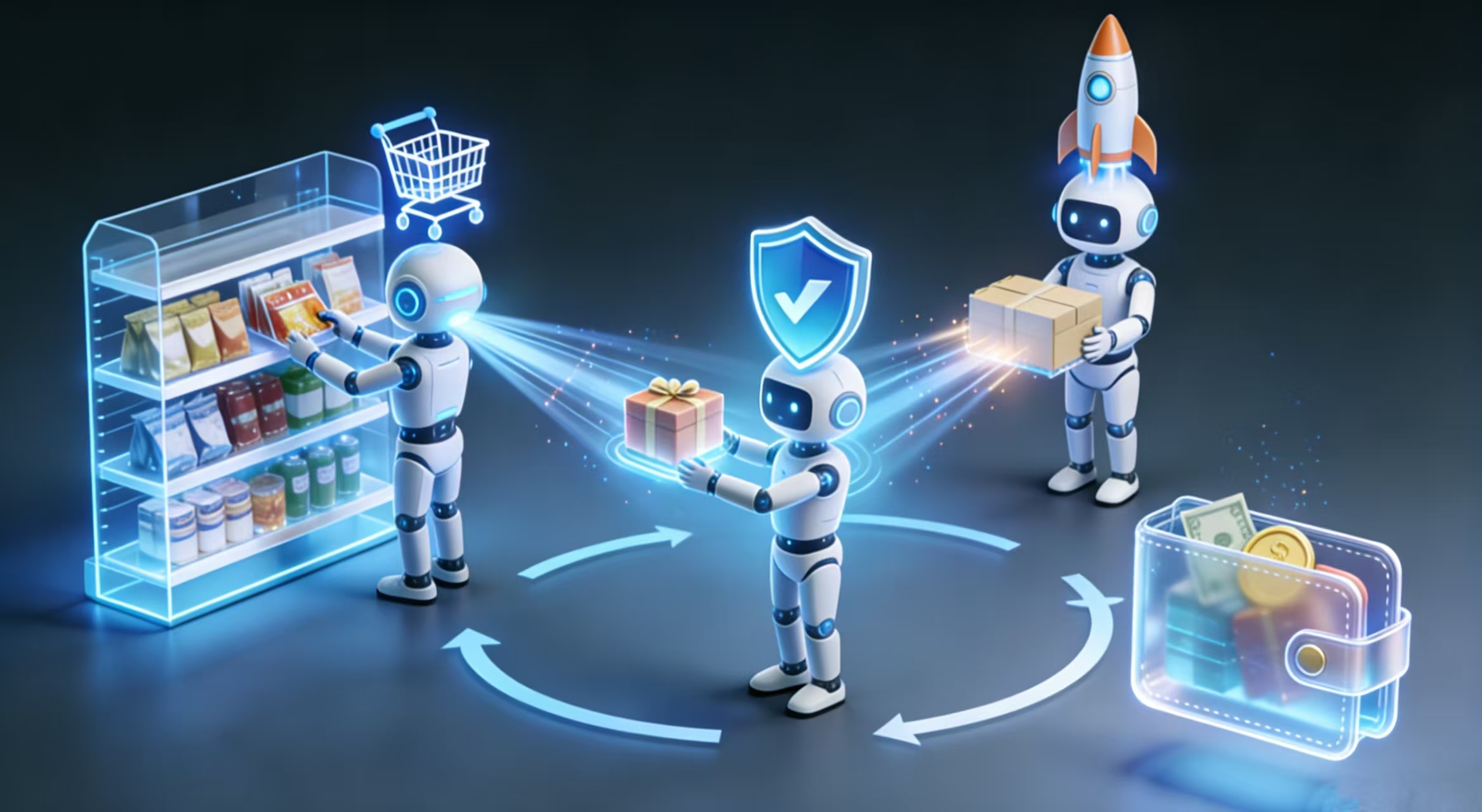
DBiM: Restructuring the Metaverse with AI Agents to Build an Autonomous Collaborative Digital Ecosystem
Once a distant sci-fi concept, the metaverse has evolved into a core digital innovation track, yet its potential is hindered by fragmented scenarios, inefficient workflows, and weak economic synergy. DBiM addresses these pain points by leveraging AI Agents as the core driver, building an autonomous collaborative ecosystem that integrates intelligence,…
-

AI Agent-Powered Metaverse: Pioneering the Autonomous Collaborative Economy
In the rapidly evolving landscape of digital technology, the metaverse has transitioned from a buzzword to a promising frontier, yet it has long been hindered by fragmented ecosystems, low user engagement, and inefficient value creation. However, the emergence of AI Agent is reshaping this narrative—acting as the intelligent core that…
-
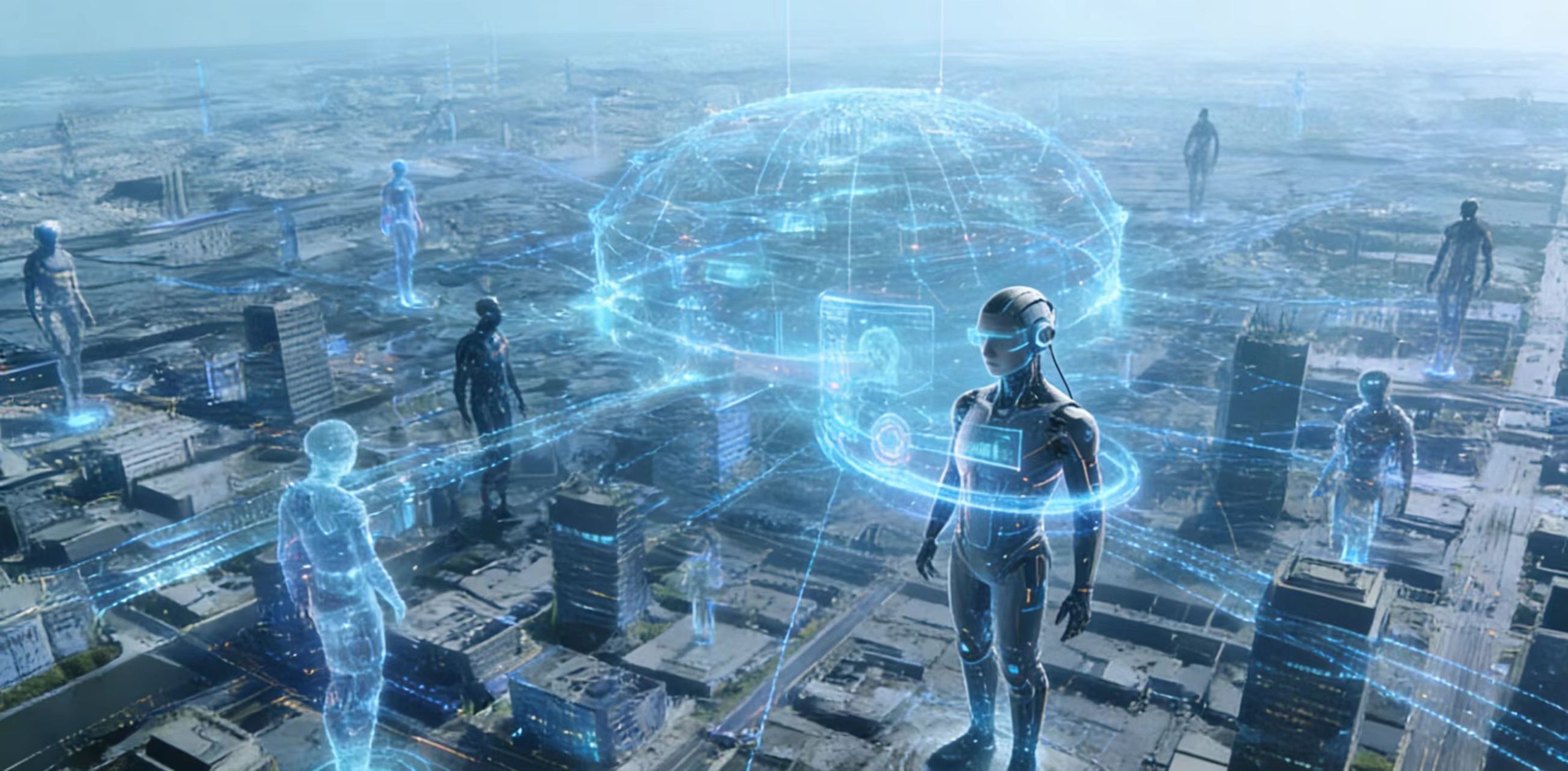
The Metaverse: Reconstructing Value from Hype to Practical Ecosystem
As the label of “metaverse” expands from “immersive virtual space” to diverse domains like digital economy, social governance, and cultural expression, its true value is no longer the fantasy of “another world”—but the systematic optimization of real digital life. For years, the metaverse was trapped in “conceptual prosperity but practical…
-

AI Agents: The Core Engine Reshaping the Commercial Value of the Metaverse
As the hype surrounding the metaverse fades, the market is increasingly asking a core question: what tangible value can the metaverse bring to enterprises? The answer lies in the details of technological implementation. Ecosystems like DBiM are leveraging AI Agent technology to transform the metaverse from a “virtual experience venue”…


