

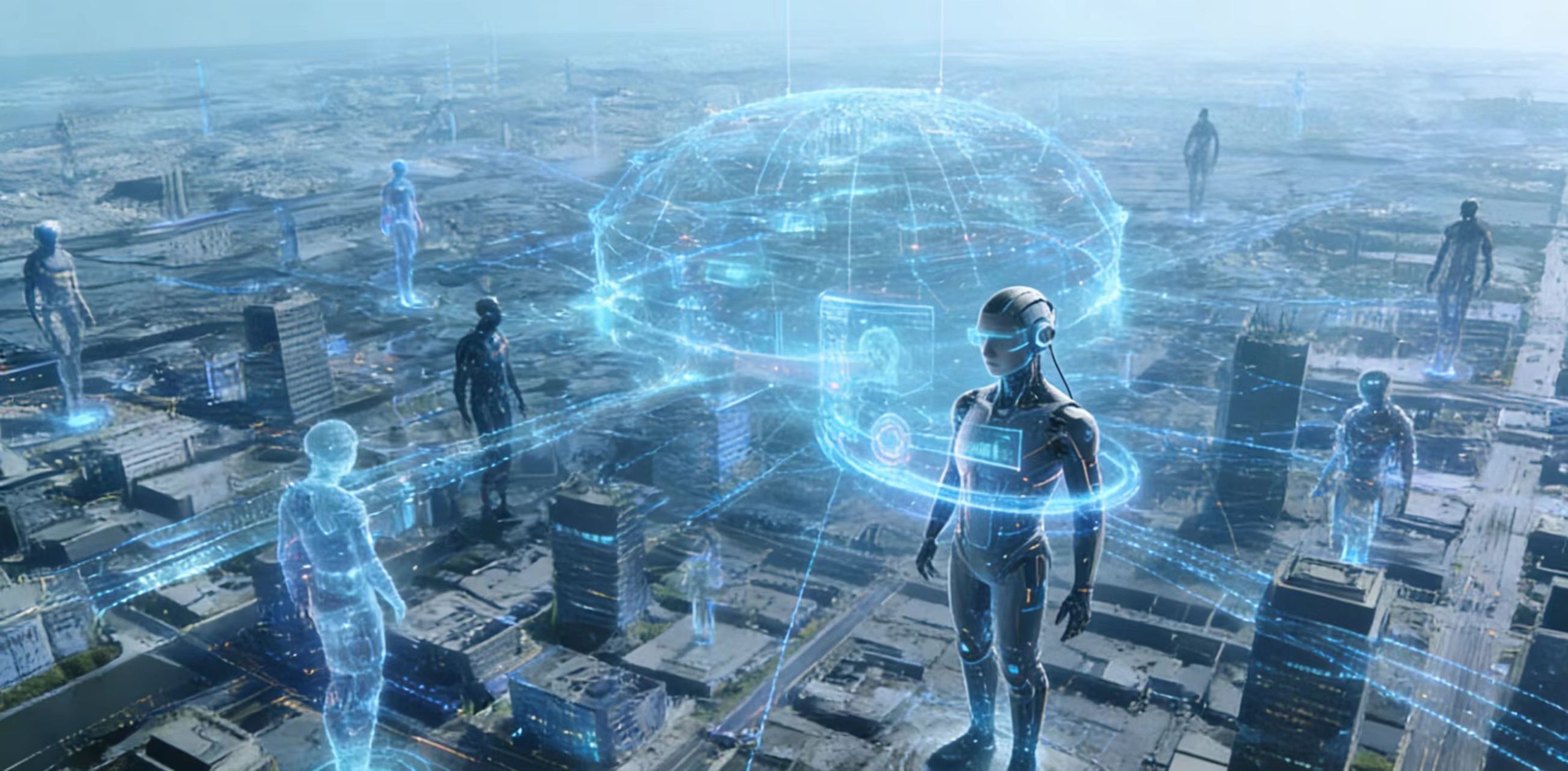
As the label of “metaverse” expands from “immersive virtual space” to diverse domains like digital economy, social governance, and cultural expression, its true value is no longer the fantasy of “another world”—but the systematic optimization of real digital life. For years, the metaverse was trapped in “conceptual prosperity but practical scarcity”: tech enthusiasts praised its potential, but ordinary users saw no daily relevance; enterprises hesitated to invest due to unclear returns; closed platforms fragmented the industry. Now, players like DBiM are anchoring the metaverse in “pragmatism,” turning it from a gimmick into digital infrastructure—driven by technology, economy, and user needs.
The Metaverse: A Catalyst for Digital Transformation, Not an Isolated Parallel World
Past metaverse narratives fell into the trap of “building a virtual replacement for reality,” pushing users to abandon existing habits for isolated spaces. This raised participation barriers and divorced the metaverse from real needs. Today, its core logic has reversed: it’s a catalyst embedding into reality to empower existing scenarios.
For enterprises, the metaverse is a “cost-saving, efficiency-boosting tool” penetrating business operations. In cross-border trade—plagued by cumbersome documents and slow supply chains—DBiM’s AI Agent solutions cut manual work by 70% and shorten transaction cycles from weeks to days. A small e-commerce firm no longer needs a customs document team: AI Agents parse multi-source data, generate compliant declarations, and sync logistics in real time. In live e-commerce, AI Agents analyze social media to spot trends, while virtual anchors (powered by AI) interact 24/7 and adjust pricing/inventory dynamically. These aren’t “virtual studios”—they’re metaverse tech integrated into existing workflows.
For industries, the metaverse is a “boundary integration link” breaking digital silos. Traditional ecosystems trap game assets, social data, and e-commerce records in separate platforms. The metaverse’s open architecture unifies them: a rare game skin can be traded on the virtual asset market; if a user lacks funds, their financial AI Agent secures a “virtual asset mortgage loan”; post-transaction, their social AI Agent shares the achievement to spark new demand. This cross-domain synergy shifts industries from “isolated competition” to “ecological co-prosperity.”
From “Niche Novelty” to “Daily Norm”: The Inclusive Evolution of the Metaverse
Once labeled “high-threshold and niche” (limited to enthusiasts with expensive hardware), the metaverse is now accessible to the masses via DBiM’s user-centric strategy.
First: Solve pain points first, then cultivate habits. Instead of forcing unfamiliar virtual experiences, DBiM uses AI Agents to fix daily digital frustrations. For travel planning, users input “3-day Chengdu family trip (¥5k budget)”—AI Agents integrate platform data, filter quiet hotels (matching past preferences), book attraction tickets, and arrange transport. For subscriptions, AI Agents track services, send reminders, and cancel unused ones. These tools let users experience metaverse convenience without learning costs, turning AI Agents into “daily essentials.”
Second: Reduce costs via compatibility. Unlike VR-dependent projects, DBiM supports smartphones, computers, and headsets—no mandatory hardware. A mobile user can access AI Agents via app; if they later buy a VR headset, data/preferences/virtual assets migrate seamlessly. This “seamless access” eliminates hardware barriers.
Third: Build trust with a stable economy. Users feared volatile virtual currencies—DBiM’s compliant stablecoin (pegged to real currencies, MiCA-aligned) ensures stable, cross-platform circulation. AI Agents monitor transactions in real time, using fraud detection to protect funds. This reliable system eases user concerns, enabling mass adoption.
Beyond “Efficiency”: Cultural & Emotional Value of the Metaverse
While efficiency drives growth, the metaverse’s long-term value lies in meeting human needs for expression and connection.
User-led “digital creation” lowers barriers: with AI-assisted tools, anyone can design virtual avatars, clothing, or space decor—no professional skills needed. A college student can create cultural-themed virtual costumes; popular works earn income and build creator reputations. This “everyone is a creator” model makes cultural expression diverse and democratic.
Cultural institutions use the metaverse to innovate heritage: a museum’s virtual hall restores 3D relics; AI tour guides explain history in multiple languages and simulate relic production interactively. This free, global access boosts traditional culture’s appeal to youth and breaks cross-cultural barriers.
Emotional connection thrives too: KOLs’ AI-powered digital avatars offer personalized fan companionship—remembering preferences, chatting, or joining virtual activities. For users separated by distance, metaverse virtual gatherings (with spatial audio and 3D avatars) feel more immersive than video calls. These interactions turn the metaverse into a “warm digital space,” not just a tool.
Balancing Innovation & Responsibility: The Metaverse’s Sustainable Foundation
Long-term metaverse success requires balancing innovation with responsibility:
- Technical sustainability: Cloud-native architecture and resource optimization cut energy use—DBiM’s system reduces metaverse operation energy consumption by 40% vs. traditional models.
- Social responsibility: Distributed identity protects user privacy; AI Agents filter harmful content to maintain a safe environment.
- Economic balance: Open financial infrastructure replaces “walled gardens”—small creators and enterprises access the same resources as large players, ensuring fair value distribution.
Conclusion: The Metaverse as “Invisible Infrastructure”
Today’s metaverse isn’t a “virtual world”—it’s invisible infrastructure supporting digital life: in AI Agents’ daily services, cross-platform transactions, and user-created content. From “immersive fantasy” to “daily digital life,” it uses technology to make the digital world more efficient, inclusive, and warm. As DBiM and similar players advance, the metaverse will no longer be a buzzword—but a quiet, essential part of how we live, work, and connect.
Leave a Reply