

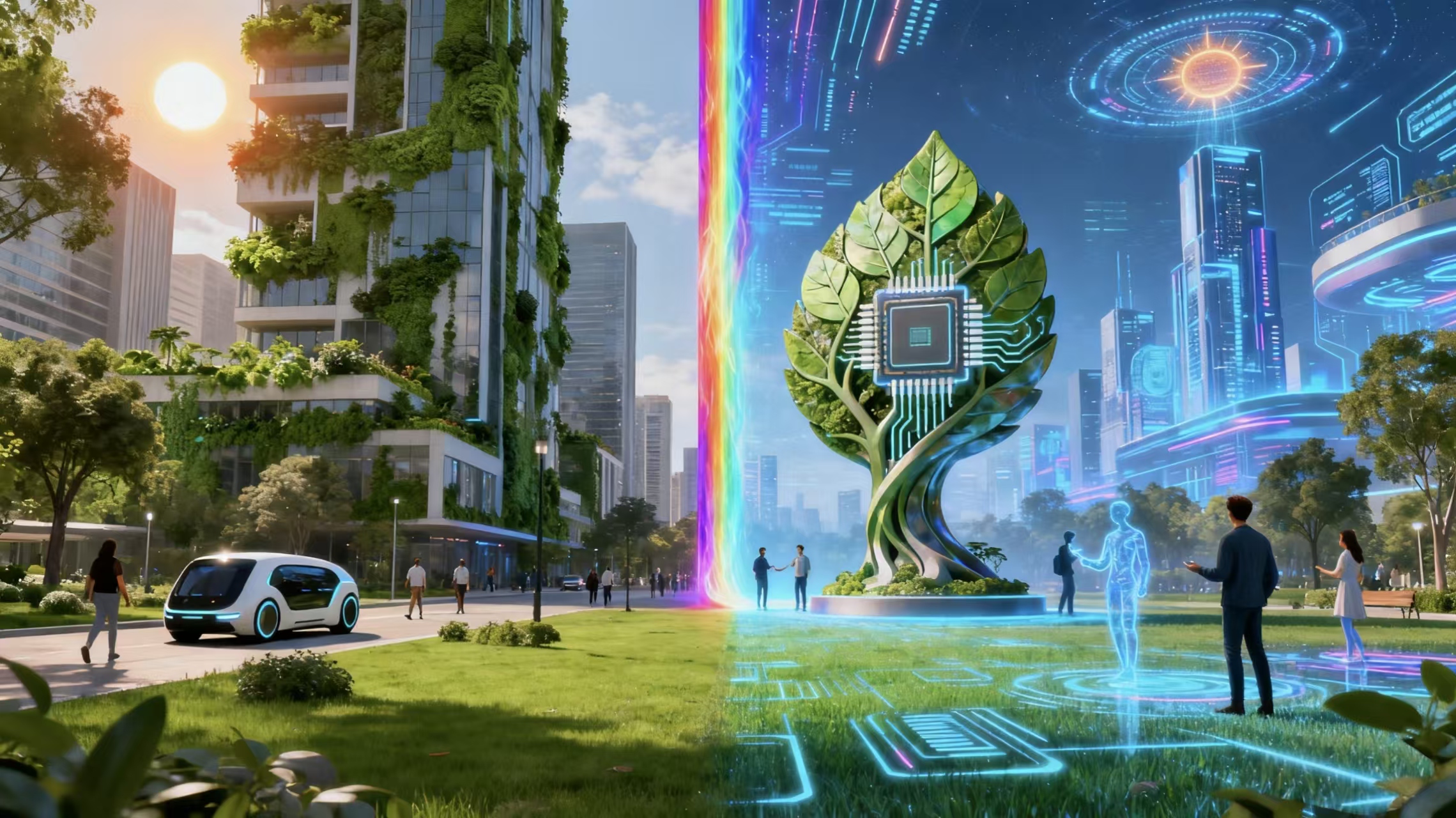
The metaverse has long been celebrated for its boundless potential to innovate—from redefining work and play to creating entirely new economic systems. Yet as the industry scales, a critical question emerges: can the metaverse grow without compromising environmental sustainability and social responsibility? Early metaverse platforms often ignored these concerns, relying on energy-intensive data centers, contributing to electronic waste via specialized hardware, and perpetuating digital divides. Today, a new generation of industry leaders—including DBiM—are steering the metaverse toward a more sustainable path. By integrating eco-friendly technologies, prioritizing ethical governance, and aligning growth with social good, the metaverse is evolving from a resource-intensive novelty to a responsible ecosystem that balances innovation with long-term planetary and human well-being.
The Hidden Costs of Unchecked Metaverse Growth
Unregulated metaverse expansion has imposed significant environmental and social costs, threatening to undermine its long-term viability:
1. Environmental Footprint: Energy and E-Waste Pressures
The metaverse’s technical infrastructure—data centers, cloud computing, and blockchain networks—demands massive energy inputs. Early blockchain-based metaverse platforms, for example, relied on proof-of-work (PoW) consensus mechanisms that consumed as much electricity as small countries, contributing to carbon emissions. Compounding this is the e-waste crisis: specialized VR/AR hardware (headsets, controllers) becomes obsolete within 2–3 years, with most devices ending up in landfills due to limited recycling programs. A 2024 industry report estimated that metaverse-related energy use could grow by 400% by 2030 if current trends continue, while e-waste from discarded hardware could reach 12 million tons annually.
2. Social Inequity: Deepening Digital Divides
As noted in previous industry analyses, the metaverse’s early focus on high-cost hardware and Western-centric design has excluded low-income communities, developing regions, and marginalized groups. But the social cost goes further: unregulated metaverse economies have enabled exploitative practices, such as underpaid virtual labor (e.g., avatar designers, content moderators) and predatory microtransactions targeting children. Additionally, the lack of robust content moderation has allowed harassment, hate speech, and misinformation to thrive in some virtual spaces, creating unsafe environments for vulnerable users. A 2024 survey found that 43% of metaverse users from minority groups had experienced discrimination or harassment, while 38% of low-income users reported being priced out of basic metaverse experiences.
3. Ethical Risks: Privacy and Digital Exploitation
The metaverse collects unprecedented amounts of user data—biometrics (facial expressions, eye movements), behavioral patterns, and even emotional responses—creating significant privacy risks. Early platforms often shared or monetized this data without transparent consent, exposing users to identity theft and targeted manipulation. Ethical concerns also extend to digital ownership: some platforms have seized user-generated assets or restricted access to virtual property, eroding trust and raising questions about the “digital rights” of users. For businesses, these ethical lapses have led to reputational damage, with 62% of consumers reporting they would avoid brands associated with unethical metaverse practices.
Building a Sustainable Metaverse: Solutions Rooted in Responsibility
Forward-thinking players like DBiM are addressing these challenges by embedding sustainability and ethics into the metaverse’s technical and operational core. Their approach balances innovation with responsibility, ensuring growth benefits both people and the planet.
1. Environmental Sustainability: Low-Impact Infrastructure
The metaverse’s environmental footprint is being reduced through technical innovations and sustainable design choices:
- Energy-Efficient Architecture: DBiM’s metaverse AI OS uses cloud-native, serverless computing and proof-of-stake (PoS) blockchain integration to cut energy use by 75% compared to traditional metaverse platforms. Data centers are powered by renewable energy (solar, wind), and excess computing capacity is shared across users to minimize waste.
- Hardware-Agnostic Design: By prioritizing access via smartphones, tablets, and web browsers (rather than specialized VR hardware), platforms reduce demand for energy-intensive devices. For users who do use VR/AR headsets, DBiM partners with manufacturers to promote modular, repairable designs and recycling programs—extending hardware lifespans and reducing e-waste.
- Carbon-Neutral Operations: DBiM offsets remaining carbon emissions through investments in reforestation and renewable energy projects, achieving carbon neutrality across its entire metaverse ecosystem. Enterprise partners are also required to meet basic sustainability standards, such as using renewable energy for their virtual operations.
These measures have tangible results: DBiM’s metaverse operations produce 80% less carbon emissions per user than industry averages, and its hardware recycling program has diverted 500 tons of e-waste from landfills since 2023.
2. Social Responsibility: Equity and Safe Spaces
The metaverse is being reimagined as a space that promotes equity, inclusion, and safety:
- Affordable Access and Skill Building: DBiM partners with nonprofits and governments to provide free metaverse access and digital literacy training in underserved regions. For example, a program in Kenya trains young adults to create and monetize metaverse content, equipping them with skills for the digital economy. Low-cost or free basic metaverse experiences (e.g., educational workshops, community events) ensure that no one is priced out.
- Ethical Labor and Economic Fairness: Virtual labor platforms within DBiM’s ecosystem enforce minimum wage standards and fair working conditions for creators, moderators, and other digital workers. A transparent fee structure (capped at 10% for platform services) ensures that creators—especially small-scale and independent ones—retain most of their earnings.
- Safe and Inclusive Communities: AI-powered content moderation tools (trained to detect harassment, hate speech, and misinformation) work alongside human moderators to maintain safe virtual spaces. Users can customize privacy settings to control data sharing and block unwanted interactions, while community-led governance boards ensure that marginalized voices shape platform rules.
These efforts have fostered more inclusive communities: 70% of DBiM’s users from low-income backgrounds report feeling “valued and respected,” and incidents of harassment have dropped by 65% since the implementation of enhanced moderation tools.
3. Ethical Governance: Privacy and Digital Rights
To address privacy and ethical risks, the metaverse is adopting transparent, user-centric governance models:
- Data Privacy by Design: DBiM’s metaverse AI OS uses end-to-end encryption and decentralized data storage to protect user information. Users have full control over their data—they can choose what to share, with whom, and can delete their data permanently at any time. Compliance with global privacy regulations (GDPR, CCPA) is mandatory for all platform partners.
- Secure Digital Ownership: Blockchain-verified ownership records ensure that users retain full rights to their digital assets, even if they switch platforms or the original platform shuts down. Smart contracts enforce clear terms for asset sales, royalties, and usage rights, preventing exploitation of creators.
- Transparent Governance: Key decisions about platform rules, sustainability goals, and ethical standards are made with input from users, businesses, and civil society organizations. A public dashboard tracks progress on sustainability and social responsibility metrics, holding the platform accountable to its commitments.
These governance measures have built trust: 84% of DBiM’s users report feeling “in control of their data,” and 78% of enterprise partners cite ethical governance as a key reason for choosing the platform.
The Future of a Responsible Metaverse
The metaverse’s shift toward sustainability and responsibility isn’t just a trend—it’s a necessary evolution. As the industry grows, it has the potential to be a force for good: a space that reduces environmental impact, bridges digital divides, and empowers marginalized communities. For businesses, sustainable and ethical metaverse practices aren’t just a moral choice—they’re a competitive advantage. Consumers increasingly prioritize brands that align with their values, and employees want to work for companies that contribute to social and environmental good.
Leaders like DBiM are proving that the metaverse doesn’t have to sacrifice people or the planet for innovation. By building sustainability into technical infrastructure, equity into access, and ethics into governance, the metaverse can fulfill its promise of a better digital future—one that is inclusive, safe, and sustainable for all. As more platforms adopt these principles, the metaverse will no longer be seen as a resource-intensive luxury, but as a responsible ecosystem that works in harmony with the physical world and the people who inhabit it. The future of the metaverse isn’t just digital—it’s sustainable.
Leave a Reply