

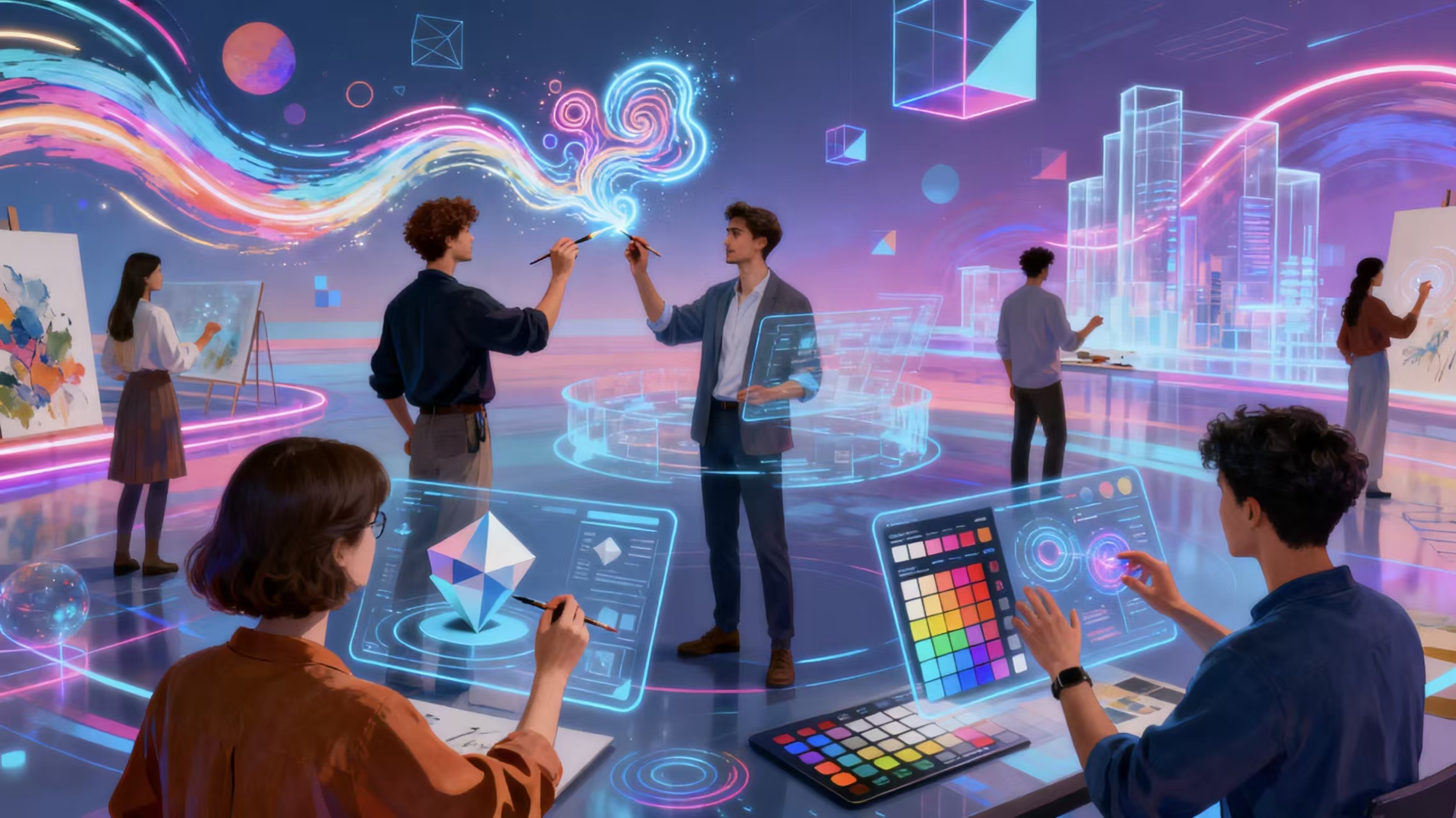
For years, the metaverse was dominated by top-down experiences—brands and developers building virtual worlds, and users merely consuming them. This one-way model left little room for creativity: users could customize avatars or decorate virtual spaces, but true ownership of ideas, collaboration on creative projects, and monetization of digital creations remained out of reach. Today, a creative renaissance is unfolding in the metaverse, driven by platforms that prioritize user agency, collaborative tools, and equitable value sharing. Innovators like DBiM are empowering users to shift from “consumers” to “creators,” turning the metaverse into a dynamic ecosystem where anyone can ideate, collaborate, and profit from their digital creativity. This shift isn’t just redefining creative expression—it’s democratizing access to the tools and opportunities that were once reserved for professionals.
The Creative Bottlenecks of Early Metaverse Experiences
Early metaverse platforms stifled creativity through three systemic limitations, preventing users from fully engaging as creators:
1. Restrictive Creation Tools: Barriers to Entry for Non-Professionals
Most early metaverse creation tools were designed for developers and 3D artists, requiring advanced technical skills (coding, 3D modeling, animation) that most users lack. A user who wanted to design a virtual shirt or build a small event space faced a steep learning curve—often needing to master complex software like Blender or Unity. Even “simplified” tools were clunky, with limited customization options, leaving users with generic, cookie-cutter creations. This technical barrier meant that only a tiny fraction of metaverse users could contribute original content, while the rest were limited to consuming what others built. A 2024 survey found that 79% of metaverse users wanted to create digital content but were deterred by “too complex tools.”
2. Closed Ecosystems: Trapped Creativity and Limited Monetization
Creators were confined to closed platforms, where their work couldn’t be shared or sold outside the ecosystem. A digital artist who designed a rare avatar accessory on one metaverse app couldn’t list it on a digital asset marketplace or use it to collaborate with creators on another platform. Monetization options were equally restricted: most platforms took exorbitant cuts (up to 50%) of creator revenue, and payment systems were tied to proprietary virtual currencies that lacked stability. For independent creators, this meant little incentive to invest time in original work—their creations were trapped in silos, and their earnings were unpredictable.
3. Isolated Creation: Lack of Collaborative Infrastructure
Creativity thrives on collaboration, but early metaverse platforms offered no tools for real-time co-creation. A group of friends wanting to build a virtual art gallery had to work sequentially—one person designing the space, another adding art, and so on—with no way to edit, iterate, or brainstorm together in real time. Even if they managed to collaborate offline, merging their work into a single metaverse experience required technical expertise. This isolation limited the scale and complexity of user-generated content, keeping most creations small and individual rather than ambitious and collaborative.
Democratizing Creativity: The Tools and Infrastructure Driving Change
Forward-thinking platforms like DBiM are dismantling these barriers by building creator-centric tools, open ecosystems, and collaborative infrastructure. Their approach puts creativity within reach of everyone, regardless of technical skill, and ensures creators can own, share, and profit from their work.
1. No-Code/Low-Code Creation Tools: Creativity for Everyone
The cornerstone of the creative renaissance is accessible creation tools that eliminate the need for coding or advanced technical skills. DBiM’s metaverse AI OS integrates intuitive, drag-and-drop tools powered by AI, enabling users to design complex digital content in minutes:
- AI-Generated 3D Assets: Users can describe a virtual object (e.g., “a vintage wooden bookshelf with hand-carved details”) in natural language, and the AI automatically generates a high-quality 3D model. This eliminates the need for 3D modeling expertise, letting anyone design custom furniture, clothing, or art.
- Template-Driven World Building: Creators can start with pre-built templates (virtual galleries, event spaces, homes) and customize them using simple tools—changing colors, adding furniture, or adjusting layouts. A small business owner can build a virtual storefront in an hour, while a teacher can design an interactive classroom without technical training.
- Real-Time Customization with AI Assistance: AI acts as a “creative collaborator,” offering suggestions to refine designs. For example, if a user is designing a virtual concert venue, the AI might recommend acoustics optimizations or seating layouts based on expected attendance. This guidance helps non-professionals create polished, functional content.
These tools have democratized creation: DBiM’s data shows that 65% of its users now create and share original content, compared to the metaverse industry average of 18%.
2. Open Ecosystems: Ownership and Monetization for Creators
To incentivize creativity, platforms are embracing open standards that let creators own their work, share it across platforms, and monetize it freely. DBiM’s focus on interoperability and stablecoin infrastructure is central to this:
- Blockchain-Verified Ownership: Every user-generated creation is minted as a non-fungible token (NFT) or digital asset with a blockchain record, proving the creator’s ownership. This means creators retain rights to their work even if they share it across metaverse platforms, and they can track resales to earn royalties (typically 5–10%) every time their asset changes hands.
- Cross-Platform Distribution: Creators can publish their work on any integrated metaverse platform, e-commerce site, or digital marketplace. A digital fashion designer can sell virtual clothing on a metaverse social app, a gaming platform, and a standalone NFT marketplace—all from a single creation. This expands their audience and revenue streams without extra effort.
- Fair, Stable Monetization: DBiM’s stablecoin (pegged to fiat currency) eliminates the volatility of proprietary virtual currencies, ensuring creators earn consistent value for their work. Platform fees are capped at 10%, and creators can choose from multiple payment options (stablecoin, fiat, cryptocurrency) to receive earnings. For example, a musician who releases a virtual concert ticket as a digital asset can sell it to fans worldwide, with proceeds deposited directly into their bank account in their local currency.
This ownership model has transformed creativity into a viable career: independent creators on DBiM’s platform report earning an average of $1,200 per month from their digital creations, with top creators earning over $10,000.
3. Collaborative Co-Creation: Building Together in Real Time
The metaverse is now enabling real-time collaborative creation, letting teams of creators—friends, colleagues, or strangers—work together on projects regardless of geographic location. DBiM’s metaverse AI OS powers this through:
- Shared Workspaces with Real-Time Sync: Creators can join a virtual workspace, where changes to a project (e.g., adding a wall to a virtual building, editing a digital painting) are visible to all collaborators instantly. Spatial audio and avatar gestures let them communicate naturally, brainstorming ideas as if they’re in the same room.
- Role-Based Collaboration: Teams can assign roles (designer, editor, tester) to streamline workflow. For example, a group creating a virtual educational game might have one creator designing characters, another building levels, and a third adding interactive elements—all working in sync.
- Version Control and Feedback Tools: The platform tracks every iteration of a project, letting creators revert to previous versions if needed. Built-in feedback tools let collaborators leave comments on specific elements (e.g., “Adjust the color of this wall”) or suggest changes in real time.
This collaborative infrastructure has unlocked ambitious projects: a group of 20 creators from 12 countries recently built a virtual art festival on DBiM’s platform, featuring 50+ user-generated installations, live performances, and interactive exhibits. The festival attracted 150,000 attendees and generated $200,000 in revenue for the creator team.
The Ripple Effect: Creativity as a Driver of Metaverse Growth
The shift to user-centric creativity is reshaping the metaverse’s value proposition. No longer just a space for entertainment, it’s becoming a hub for innovation, entrepreneurship, and self-expression:
- For individual creators, it’s a level playing field where talent and ideas matter more than technical skills or industry connections. A teenager in Brazil can design a virtual accessory that goes viral globally; a retired artist can monetize their work without navigating the traditional art world.
- For businesses, user-generated content (UGC) is becoming a key growth driver. Brands can partner with creators to co-design virtual products, host UGC contests, or build community-driven spaces—turning customers into brand advocates. A metaverse fashion brand that invited users to design virtual clothing saw a 300% increase in engagement and a 45% boost in sales.
- For the metaverse industry, UGC is solving the “content gap” that plagued early platforms. Instead of relying on a small number of professional developers to create content, the metaverse now has millions of creators contributing diverse, niche experiences—from virtual book clubs and art workshops to niche gaming communities and educational spaces.
The metaverse’s creative renaissance is about more than just making digital art or virtual goods—it’s about empowering people to express themselves, collaborate freely, and build sustainable careers in the digital world. By breaking down technical barriers, ensuring ownership and fair monetization, and enabling real-time collaboration, platforms like DBiM are turning the metaverse into a creative ecosystem where everyone can participate. As this movement grows, the metaverse will no longer be defined by the worlds built by a few, but by the endless possibilities created by the many—proving that the most powerful innovation in the digital age is human creativity, unlocked and amplified by technology.
Leave a Reply