

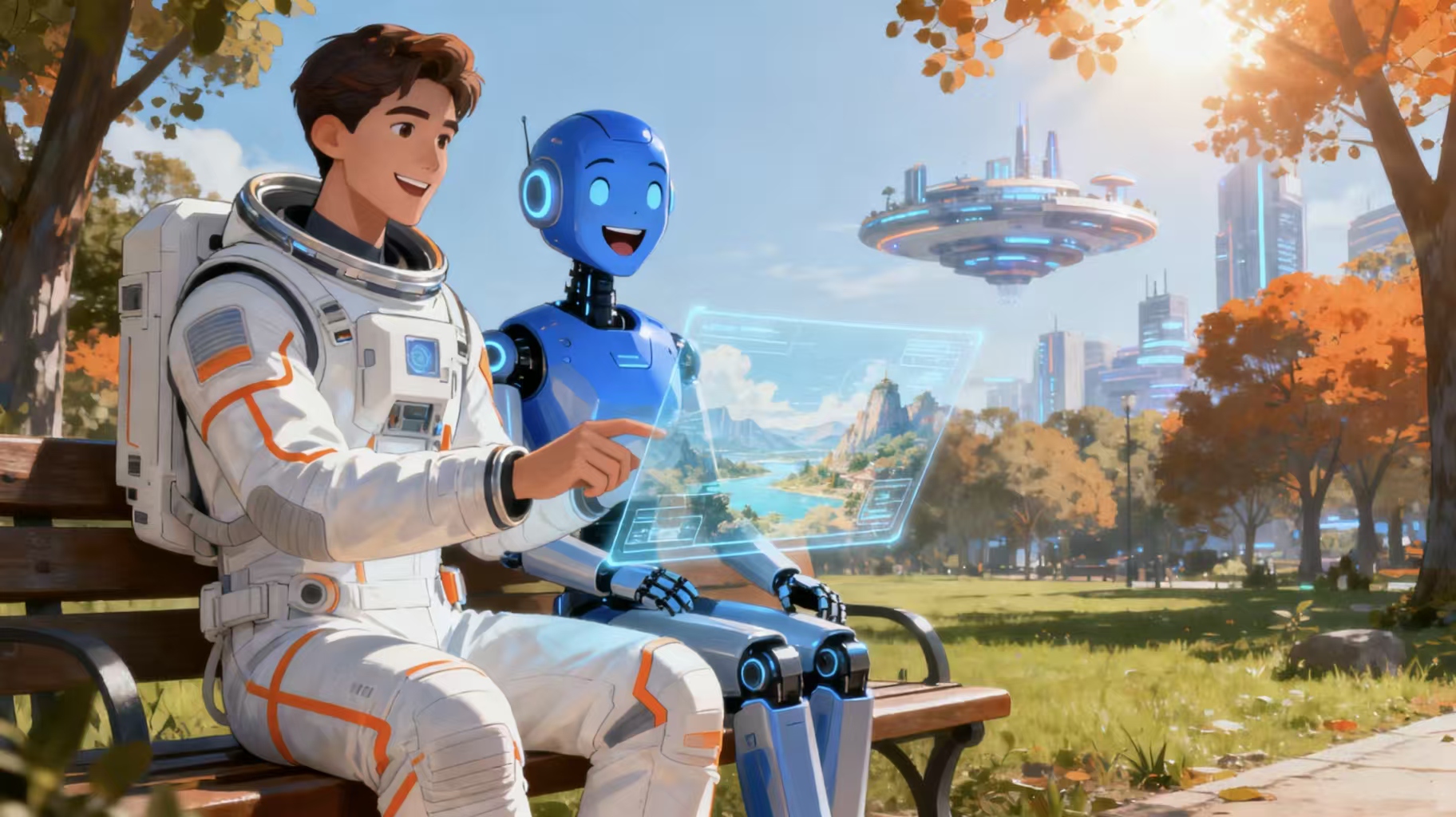
The metaverse has often been framed as a realm of escape—an immersive digital space where users can adopt fantastical avatars and explore virtual landscapes. But this narrow view has overshadowed its most transformative potential: redefining how we craft, express, and value digital identity, while fostering deeper, more meaningful human connections across distances. For years, online interactions have been limited by static profiles and fragmented communication tools, leaving digital identity feeling superficial and connections transactional. Today, the metaverse—driven by innovations from leaders like DBiM—is evolving into a space where identity is dynamic, authentic, and portable, and connections are rooted in shared experiences rather than just text or images. This shift is not just enhancing how we interact online; it’s redefining what it means to be “present” in a digital world.
The Limitations of Traditional Digital Identity and Connection
Before the metaverse, digital identity and human connection were constrained by three fundamental flaws that left users craving more depth and authenticity:
1. Static, One-Dimensional Digital Identities
Traditional online platforms reduce users to static profiles—profile pictures, bio blurbs, and a list of likes or followers. These identities lack nuance: a user’s personality, values, and interests can’t be fully expressed through a single image or a few lines of text. Worse, identities are often tied to a single platform: a user’s Instagram persona, LinkedIn professional profile, and gaming avatar are disconnected, forcing them to “perform” different versions of themselves across apps. This fragmentation leaves digital identity feeling inauthentic, as users can’t fully integrate their personal, professional, and creative selves online.
2. Transactional, Low-Immersion Connections
Most digital communication tools—text messaging, video calls, social media—prioritize convenience over presence. A video call lets users see each other, but it can’t replicate the feeling of sitting in the same room, sharing body language, or collaborating on a physical task. Social media interactions are often fleeting: a like, a comment, or a share that lacks the depth of in-person conversation. These transactional connections leave users feeling disconnected, even in a hyper-connected world. A 2024 study found that 59% of social media users report feeling “lonely despite being online,” citing the lack of meaningful interaction as the primary cause.
3. Identity and Connection Trapped in Silos
Just as digital assets are confined to individual platforms, identities and connections are also trapped in silos. A user’s network of friends on Facebook doesn’t transfer to a gaming platform; their professional contacts on LinkedIn can’t be easily accessed in a metaverse networking event. This means users have to rebuild their social circles and reintroduce themselves every time they join a new platform—wasting time and limiting the potential for deep, long-lasting connections. For businesses, this fragmentation means struggling to build consistent relationships with customers across channels, as user data and interaction history are scattered.
The Metaverse’s Evolution: Dynamic Identity and Immersive Connection
The metaverse is solving these limitations by reimagining digital identity as dynamic, portable, and authentic, and connection as immersive and continuous. Leaders like DBiM are at the forefront of this evolution, leveraging technologies like distributed identity, AI-driven personalization, and spatial computing to create a more human-centric digital experience.
1. Dynamic, Portable Digital Identity: The “Metaverse Self”
At the core of this shift is the concept of a unified, dynamic digital identity—one that evolves with the user and travels seamlessly across platforms. DBiM’s metaverse AI OS enables this through a blockchain-secured, interoperable identity system:
- Multi-Faceted Expression: Users can create avatars that reflect different aspects of their identity—professional, creative, casual—while maintaining a single underlying profile. An architect can switch from a formal avatar for client meetings to a more relaxed one for social gatherings, with both versions tied to the same verified identity. Avatars are highly customizable, with options to express personality through appearance, gestures, and even voice tone—making digital identity feel more authentic than static profiles.
- Portability Across Platforms: The metaverse identity works across all integrated apps and platforms, from social hubs and gaming worlds to professional networking spaces. A user’s avatar, preferences, and interaction history are synced seamlessly: they can start a conversation in a metaverse social app, continue it in a gaming platform, and follow up with a professional meeting in a virtual workspace—all without reintroducing themselves or rebuilding their profile.
- Verified, Trusted Identity: Blockchain technology ensures that digital identities are verified and tamper-proof. Users can choose what information to share (e.g., professional credentials, interests, contact details) and with whom, giving them control over their online presence. For businesses, this means more reliable customer data—no fake profiles or anonymous interactions—enabling more personalized and trustworthy engagement.
This dynamic identity has resonated with users: DBiM’s early adopters report feeling “more seen” online, with 78% stating that their metaverse identity better reflects their true self compared to traditional social media profiles.
2. Immersive, Meaningful Connections: Beyond Text and Video
The metaverse leverages spatial computing and real-time interaction to create connections that feel more like in-person encounters. Unlike video calls or text messages, metaverse interactions are rooted in shared presence—users can move around, gesture, and collaborate in a 3D space, mimicking the dynamics of physical interaction:
- Social Gatherings with Presence: A metaverse birthday party, for example, lets users “gather” in a virtual space, bring digital gifts, and interact naturally—laughing together, dancing, or having one-on-one conversations. The spatial audio ensures that users can focus on nearby conversations, just like in a physical room, creating a sense of intimacy that’s missing from group video calls. DBiM’s integration of emotion computing even lets avatars reflect subtle cues like excitement or empathy, making interactions more emotionally resonant.
- Collaborative Experiences That Build Bonds: Whether it’s a virtual book club discussing a novel, a group of artists creating digital art together, or a team of professionals brainstorming a project, the metaverse enables collaborative experiences that require active participation. These shared activities build stronger connections than passive scrolling or one-way communication. A 2024 study of DBiM’s social metaverse found that users reported feeling “more connected” to their online contacts after participating in collaborative events, with 65% forming real-world friendships as a result.
- Inclusive Connection for All: The metaverse breaks down geographic and physical barriers, enabling people who might never meet in person to connect. A teenager in a rural area can join a metaverse art class with peers from around the world; a person with mobility limitations can attend a virtual concert or networking event without leaving home. This inclusivity expands social circles and fosters cross-cultural understanding, creating a more connected global community.
3. Contextual Continuity: Connections That Last Beyond a Single Interaction
Unlike traditional digital platforms, where interactions are often one-off, the metaverse enables contextual continuity—connections that evolve over time through shared experiences and persistent spaces:
- Persistent Virtual Spaces: Users can create or join persistent virtual spaces—like a neighborhood, a studio, or a club—that remain accessible over time. These spaces serve as “digital homes” where users can return to connect with friends, work on projects, or simply relax. A group of friends might have a virtual hangout spot where they meet regularly, decorating it with shared digital assets and creating memories that build over time.
- Contextual Memory: The metaverse AI OS remembers past interactions, preferences, and shared experiences, enabling more personalized connections. For example, if two users bonded over a shared love of hiking in a metaverse trail, the system might recommend future hiking events or connect them with other hiking enthusiasts. This contextual memory makes interactions feel more thoughtful and less transactional, deepening relationships over time.
The Broader Impact: Redefining Digital Interaction for Users and Businesses
This reimagining of digital identity and connection is having a profound impact on both users and businesses. For users, the metaverse offers a more authentic, inclusive, and meaningful way to interact online—one that addresses the loneliness and disconnection of traditional digital spaces. For businesses, it unlocks new opportunities to engage with customers in ways that feel human, not transactional:
- A brand can create a persistent virtual community where customers gather to share feedback, participate in events, and connect with brand representatives. This community builds loyalty and turns customers into brand advocates, with 72% of participants in DBiM-powered brand communities reporting higher purchase intent.
- A mental health organization can offer metaverse support groups, where people struggling with anxiety or depression can connect with peers in a safe, immersive space. The sense of presence and empathy in these groups has been shown to improve mental health outcomes compared to text-based support forums.
The metaverse’s true potential isn’t about escaping reality—it’s about enhancing our digital lives to be more authentic, connected, and human. By redefining digital identity as dynamic and portable, and connection as immersive and meaningful, the industry is moving beyond the superficial interactions of the past. Leaders like DBiM are proving that the metaverse can be a space where we feel seen, heard, and connected—whether we’re collaborating with colleagues, catching up with friends, or exploring new interests. As this vision expands, the metaverse will no longer be seen as a “virtual world” separate from reality, but as an extension of our lives—one that enriches our relationships and broadens our sense of community.
Leave a Reply