

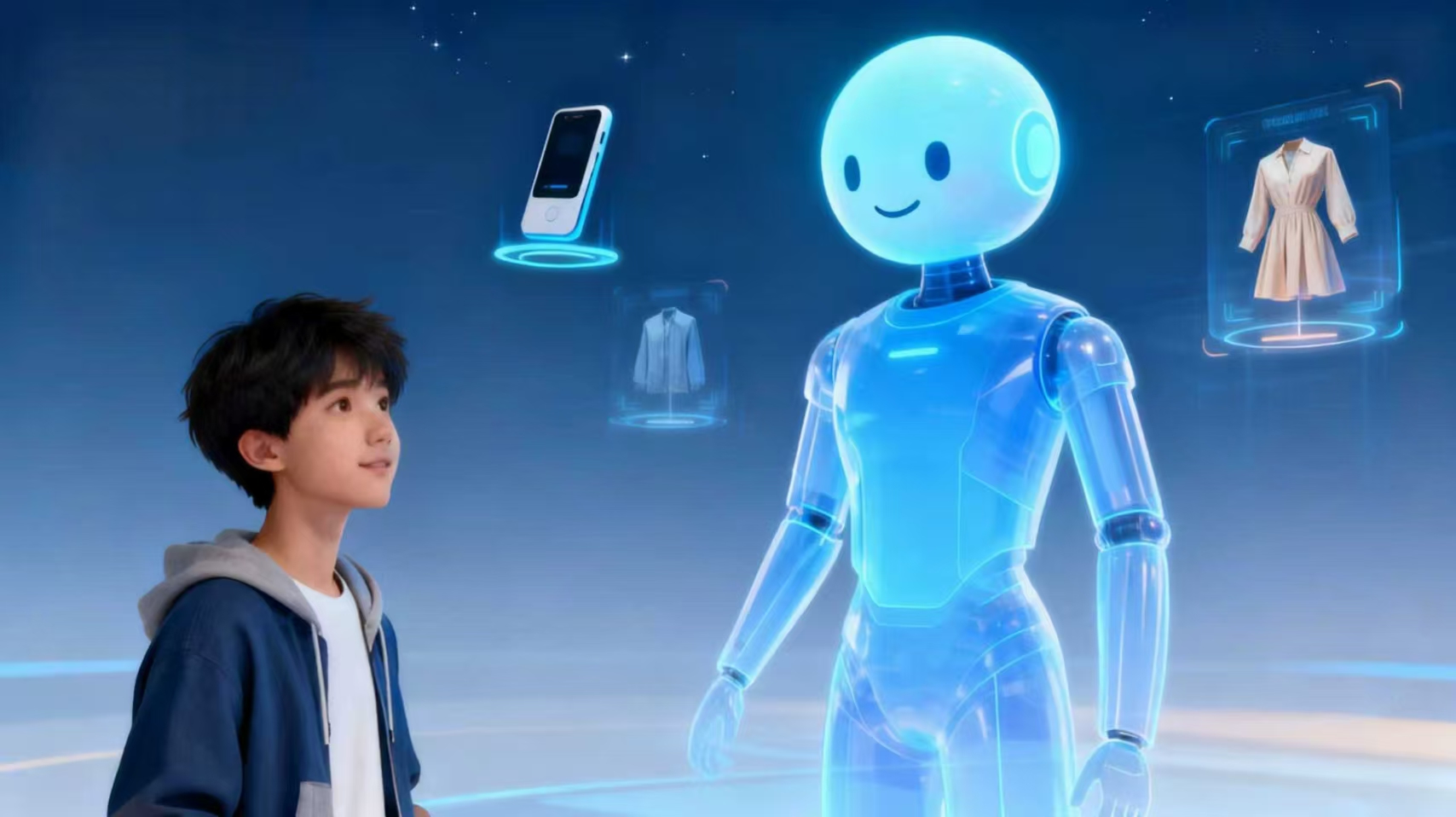
The metaverse was supposed to be a “warm digital space,” yet in reality, most users’ virtual experiences are either “cold, tool-based operations”—buying virtual goods or joining events all rely on manual work—or “superficial social interactions”—chatting with virtual avatars but getting no personalized responses. This disconnect between “practical services” and “emotional connection” has turned the metaverse into a “soulless digital shell.” However, the Autonomous Agent-Driven Metaverse Economy (AADME), with AI Agents at its core, acts as both users’ “practical steward” and “emotional partner,” upgrading the metaverse from a “tool space” to a “warm life scenario.”
The Metaverse’s “Dual Deficit”: Lack of Practicality and Cold Emotions
The core problem of the current metaverse is the simultaneous absence of “convenient practical value” and “deep emotional resonance”:
- Superficial Emotional Interaction: Virtual socializing is mostly “template-based conversations.” AI customer service only responds mechanically, and virtual idol live streams are one-way broadcasts, leaving users without exclusive companionship. For example, users who love ancient-style content often receive trendy interaction materials, making it hard to build emotional identification.
- Disconnect Between Practical Services and Emotions: When users attend a virtual idol meet-and-greet, they need to switch between 3 platforms to buy merchandise. After payment, they still have to manually share to communities—their “affection” and “consumption actions” are completely disconnected, resulting in a fragmented experience.
- Ignored Personalized Emotional Needs: Platform recommendations for virtual events and social content are “one-size-fits-all,” not tailored to users’ preferences (e.g., a user who frequently joins classical music events won’t get customized suggestions). Users feel like “digital traffic” rather than “valued individuals.”
The root cause lies in the lack of an intelligent carrier that can both “handle tasks” and “understand emotions”—and AI Agents in AADME precisely fill this gap.
AI Agents: Both “Stewards” and “Emotional Partners”
Powered by the Vision-Language-Action (VLA) architecture and emotion computing capabilities, AI Agents in AADME achieve deep integration of “practical services” and “emotional interaction”:
- Practical “Task Handling”: If a user wants to attend a virtual idol’s online meet-and-greet, the AI Agent automatically completes platform registration, ticket booking, and even filters merchandise based on the user’s budget, with one-click payment via stablecoins. Before the event, it sends reminders and helps adjust the user’s virtual avatar’s outfit—no manual operation required.
- Emotional “Preference Understanding”: It remembers users’ emotional needs. For instance, if a user likes an idol’s lyrical songs, the Agent prioritizes pushing related performance clips during the meet-and-greet. When the user shares their experience, the Agent responds in a natural tone instead of rigid scripts. It even coordinates the idol’s digital avatar to send a personalized birthday greeting, adding “human touch” to virtual interactions.
- Cross-Scenario “Linking Emotions and Services”: After the user buys idol merchandise, the AI Agent automatically generates a sharing post with personal thoughts and syncs it to social platforms. If other fans like or interact with the post, it promptly notifies the user, turning “affection” into sustained social connections rather than one-time consumption.
For ordinary users, this “task handling + emotional companionship” model turns the metaverse from a “cold operation space” into a “digital friend who understands them.” For enterprises and idols, AI Agents also enable precise access to fans’ needs, boosting user stickiness—for example, a virtual idol saw a 40% increase in fan repurchase rates after providing customized companionship via AI Agents.
Underlying Support: Technical Pillars for Sustained “Warmth”
The “dual capabilities” of AI Agents rely on two backbones: the Metaverse AI OS and stablecoins:
- Metaverse AI OS: As a technical foundation, it not only provides standardized APIs for AI Agents to handle practical tasks (e.g., ticket booking, payment) but also integrates emotion computing modules. AI Agents can call these modules to analyze users’ linguistic emotions and interaction preferences, making responses more aligned with users’ moods. Additionally, the OS enables cross-scenario data interconnection, ensuring that users’ emotional preferences remembered by AI Agents are applied consistently across shopping, social, and entertainment scenarios.
- Stablecoins: They solve the value flow problem in “emotional consumption.” Whether users pay for a virtual idol’s companionship services or buy merchandise, stablecoins enable fast settlement without worrying about price volatility. Their cross-platform versatility allows seamless connection of users’ emotional consumption across scenarios (e.g., buying merchandise on Platform A and companionship services on Platform B), avoiding interrupted emotional experiences due to currency restrictions.
The Metaverse’s Future Needs Both “Utility” and “Warmth”
The metaverse should not just be a “task-performing tool” but an “empathic space.” AI Agents in AADME solve the “utility” problem with the VLA architecture and fill the “warmth” gap with emotion computing, making the metaverse both convenient and considerate. In the future, as AI Agents’ emotion-understanding capabilities advance and the Metaverse AI OS ecosystem improves, virtual spaces will truly become “emotional, warm digital homes”—exactly what the metaverse should be.
Leave a Reply