
AI Agent
-

The Social Revolution in the Metaverse: Virtual Identities and Economic Systems
The metaverse is more than a 3D virtual space—it’s a social paradigm shift. Users customize avatars to transcend physical limitations, attending virtual concerts or art exhibitions on platforms like Decentraland. Central to this is economic infrastructure: NFT technology enables digital asset ownership, allowing trades of virtual land, clothing, and even skills. Evolution…
-
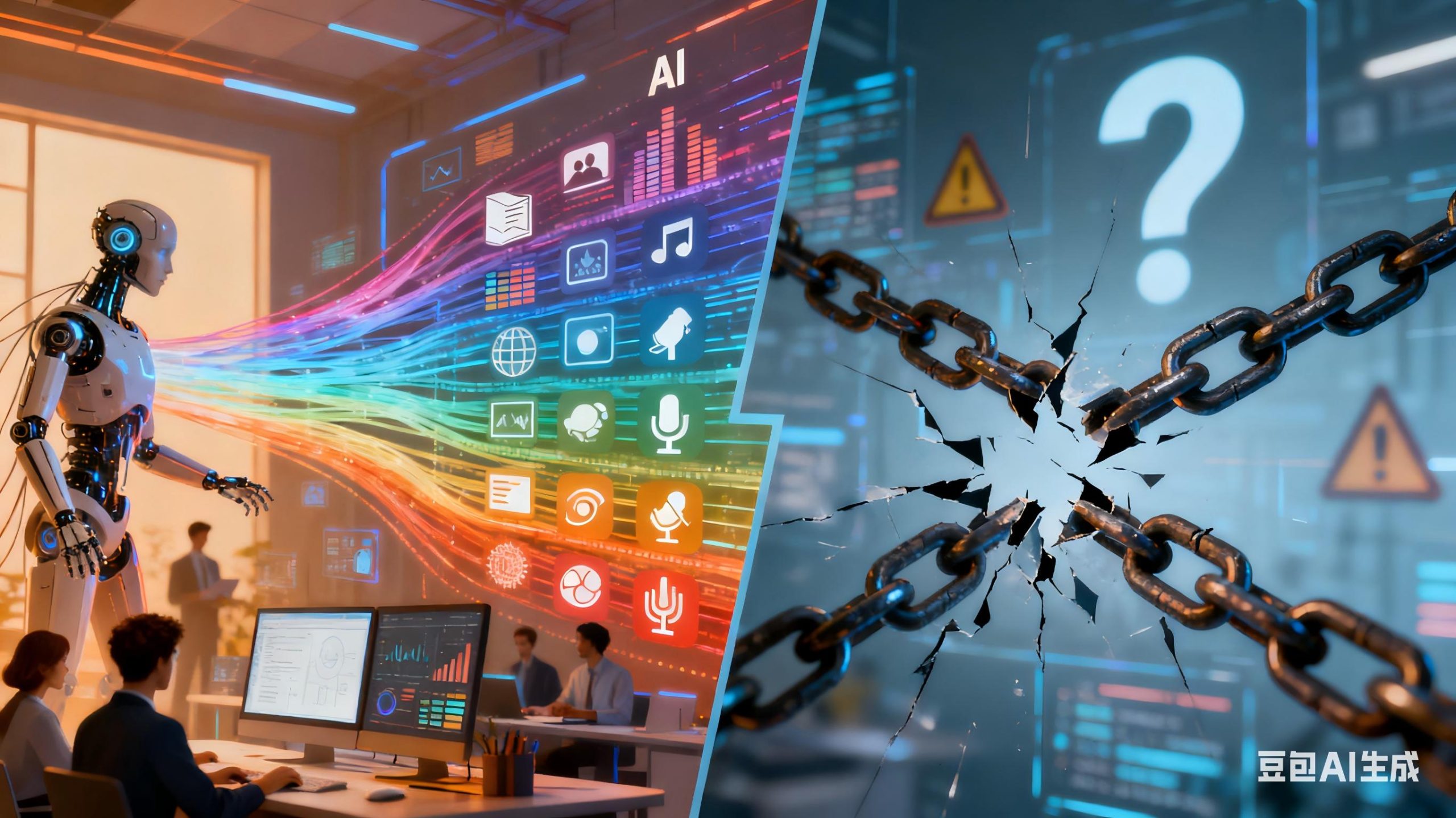
Breakthroughs and Challenges in Multimodal AI Agents
Multimodal AI agents, which integrate text, images, and voice, are overcoming the limitations of single-modality systems, enabling complex interaction scenarios. For example, in autonomous driving, agents process camera footage, radar data, and voice commands simultaneously to make holistic decisions. Google’s PaLM-E project demonstrates cross-modal reasoning, answering physics questions (e.g., “Can…
-

How AI Agents Are Reshaping the Future of Work
In recent years, AI agents have transitioned from labs to real-world applications, becoming pivotal tools for enterprise efficiency. Unlike traditional AI, which responds passively, agents possess autonomous decision-making, task decomposition, and cross-system collaboration capabilities. For instance, in customer service, AI agents analyze user needs in real time, access knowledge bases, and generate…
-

When Your Idol Has a Digital Twin: How DBiM Pioneers the New Wave of Fan Economy with Virtual Idols
Imagine your favorite idol not only interacting with you 24/7 but also personally recommending exclusive digital merchandise. This is no longer science fiction. DBiM is leveraging cutting-edge AI Agent technology, powered by our robust Virtual Goods Trading solution, to launch a new era of emotional and personalized virtual commerce. DBiM,…
-

“Knows You Better Than You Know Yourself”: How DBiM’s AI Marketing Brain Is Reshaping Purchase Decisions
Are you tired of the endless barrage of generic advertisements? At DBiM, we believe the best marketing isn’t a pushy sales pitch—it’s an invisible, intuitive service. We’re moving beyond simple personalization to deliver a future where our AI Agents learn your unique preferences, crafting bespoke offers that transform every transaction…
-
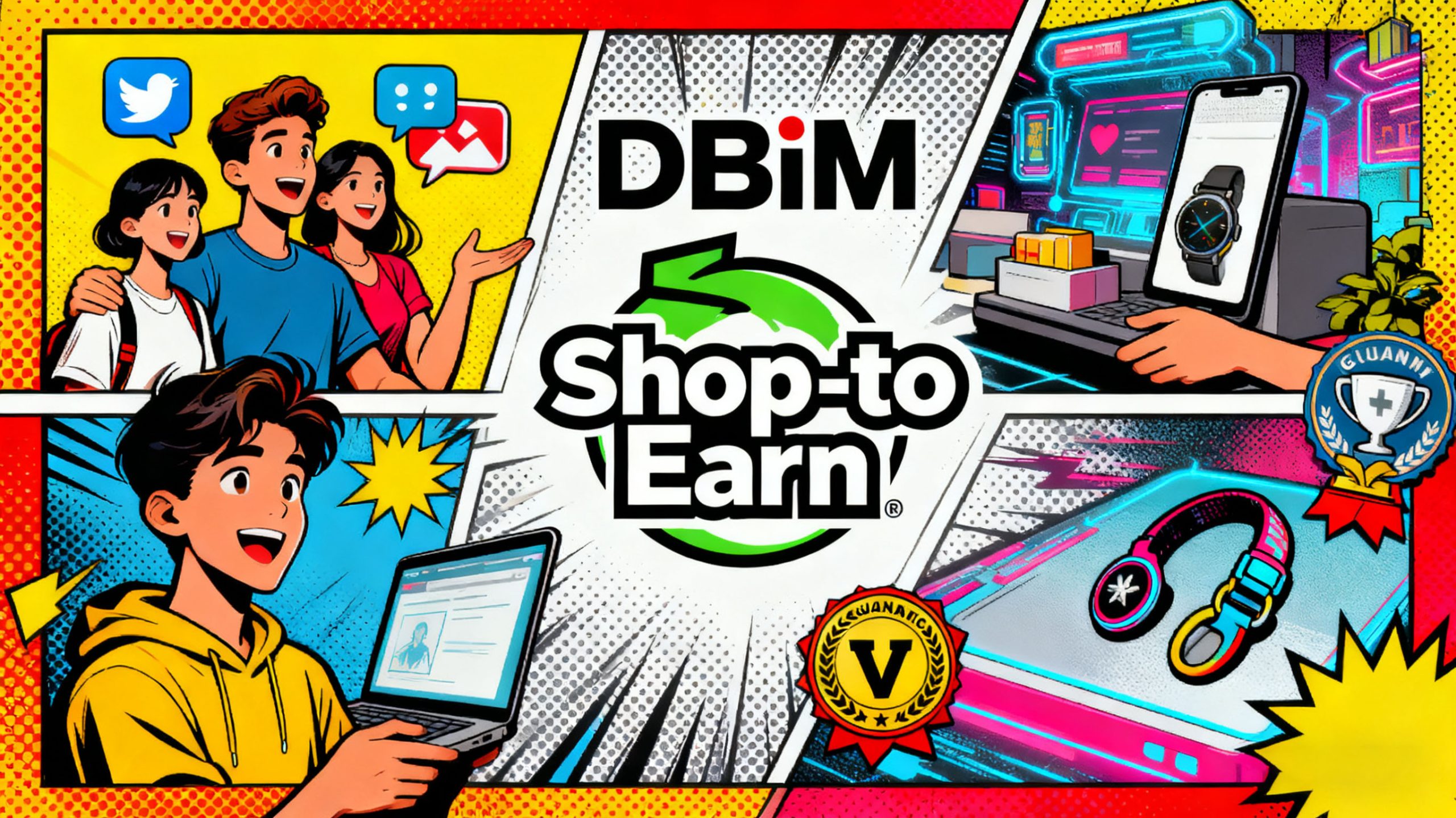
From Spending to Staking: DBIM’s Web3 Blueprint for the Future of Commerce
At DBiM (Doing Business in Metaverse), we believe consumption shouldn’t be a dead end. It should be the beginning of ownership. We are leveraging our industry-leading Virtual Goods Trading platform to build a revolutionary incentive system that transforms every purchase, share, and interaction into a tangible digital asset. This isn’t…
-

AI Big Data Models: The “Digital Doctors” Solving Medical Dilemmas
he medical industry generates an enormous amount of data every day—from patient records and medical images to genomic sequences and clinical trial results. For decades, much of this data has been underutilized due to its complexity and volume. However, AI big data models are changing this landscape, turning raw data…
-
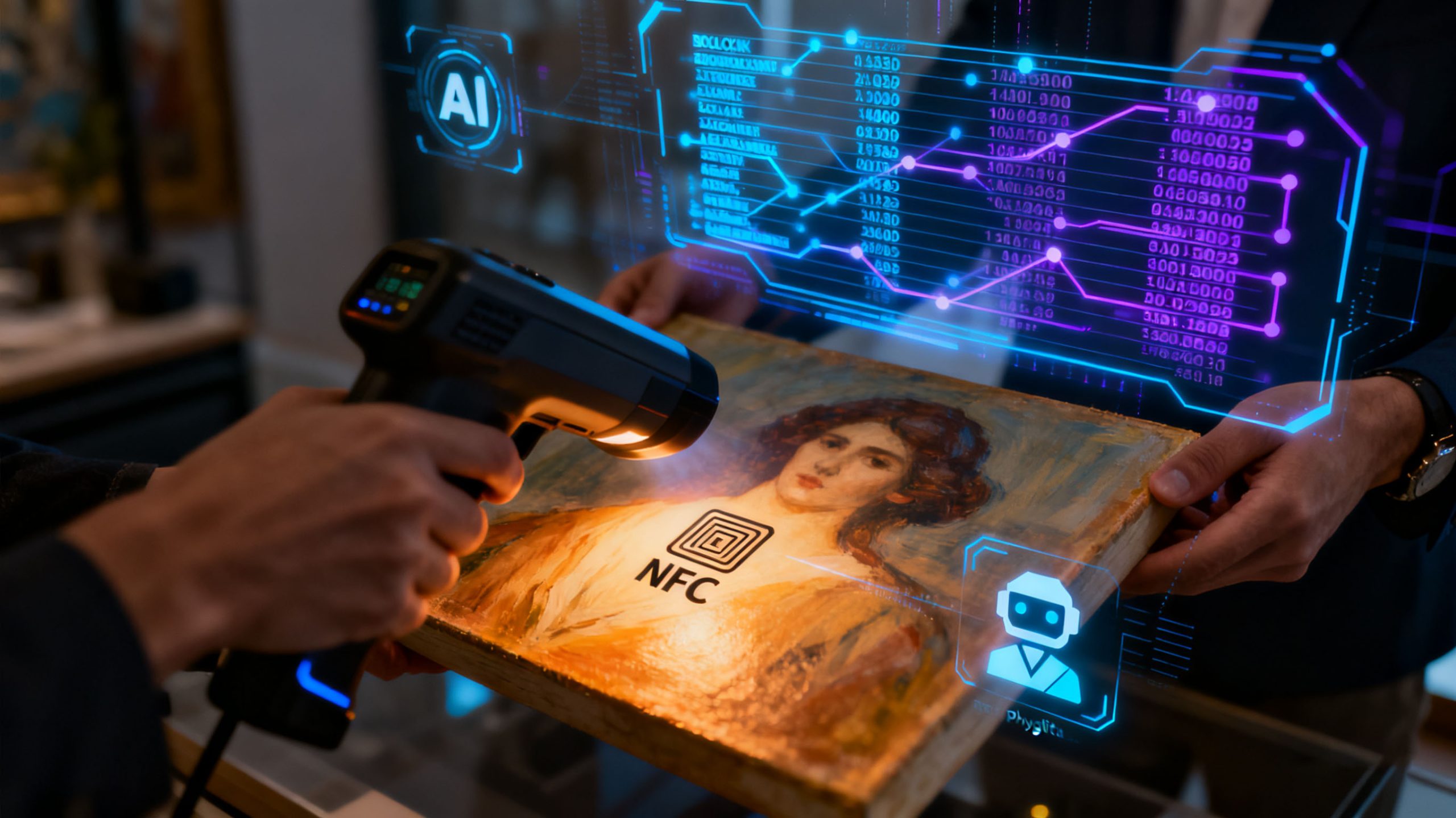
The Phygital Revolution: A New Era of Commerce
The term “Phygital”—the seamless integration of the Physical and Digital realms—is more than a buzzword; it’s the inevitable evolution of commerce. In a world increasingly defined by virtual experiences, consumers demand value that extends far beyond the shelf life of a traditional product. For enterprises rooted in Web2.0, the Phygital…
-

Your First Financial Mentor in the Metaverse: How AI Chat Is Making Investing Simple
Navigating the world of finance can feel like learning a new language. For many aspiring investors, the jargon, the endless options, and the perceived risks are significant barriers. We believe that making finance easier to understand is the key to true financial inclusivity. That’s where our AI Livechat comes in—not…
-
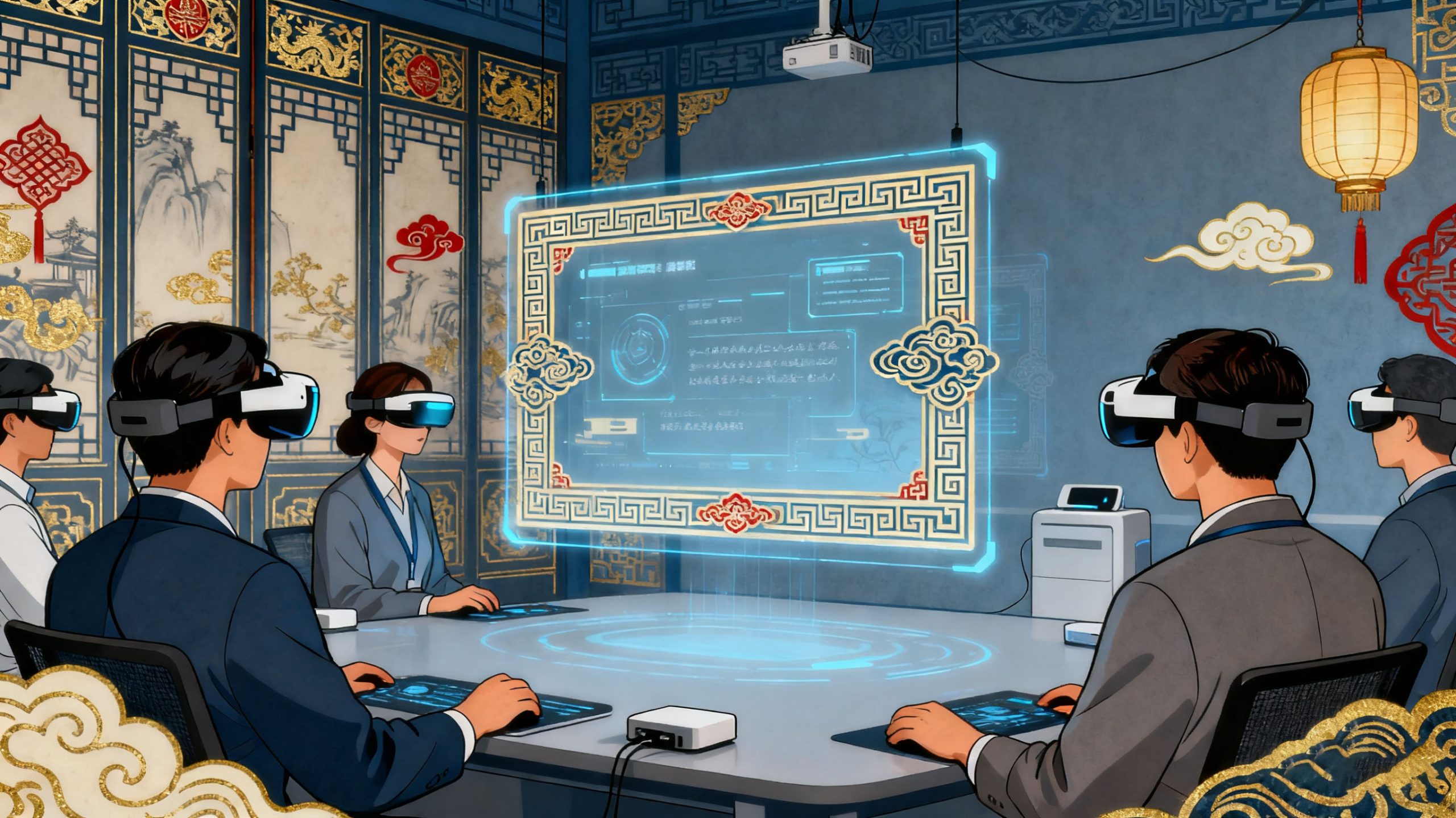
Beyond Scalability: The New Frontier of Corporate Training with AI-Powered Digital Tutors
In today’s hyper-competitive landscape, the single most critical asset for any enterprise is its talent. Yet, the very engine designed to cultivate this asset—corporate training—is often constrained by outdated models. We see a fundamental tension: the need for standardized, scalable knowledge dissemination versus the demand for personalized, engaging learning experiences.…


